Array
The Zone Based Module Architecture – Real Breakthrough or Just Hype?
I . Introduction: I recently saw an Instagram reel of Mate Rimac, a man I deeply admire for his achievements.
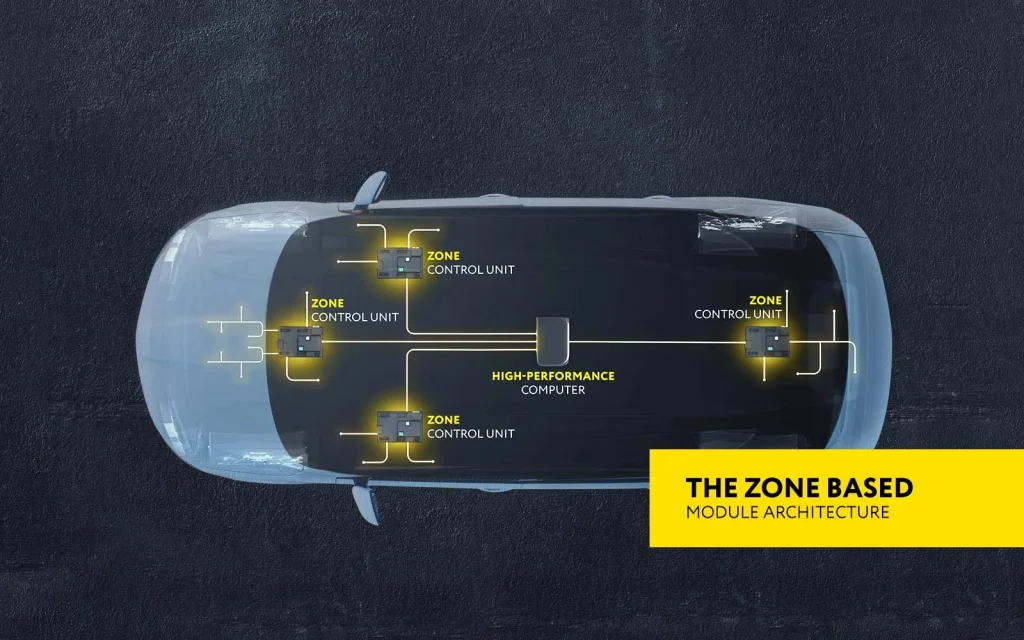
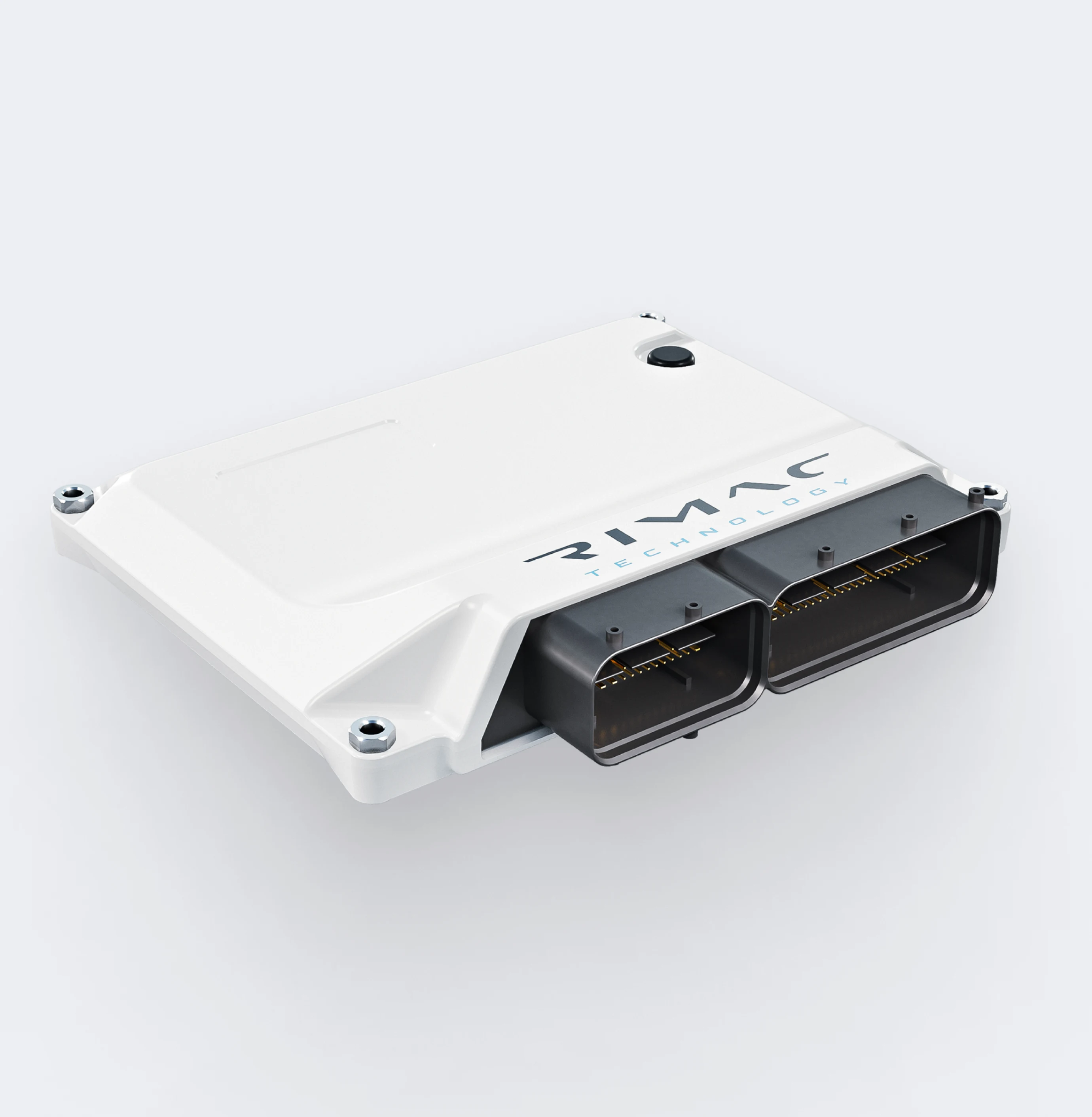
This post got me thinking about the zone-based module architecture in vehicles. We heard Mate talk how in the Bugatti Tourbillion they reduce the over 20 electronic control modules previously installed in his Rimac Nevera to just 3 and that got me thinking. Obviously, this is not something new – we have seen similar ideas in Teslas and we are now seeing that BMW are also pushing towards the same direction. Here is what we know about zonal modular architecture in vehicles today: The zone structure of modules in vehicles refers to an architectural approach where electronic control units (ECUs) are organized based on specific physical or functional zones within the vehicle. In contrast, module systems where each ECU handles a dedicated task tend to follow a more centralized or task-specific design.
II. Definition, benefits and disadvantages of the Zone-Based Module Architecture:
3. There are also some disadvantages:

III. Is it possible to claim that this is the future of module architecture?
Every part will need to be perfect and in a perfect world it will be. However, as it is with anything – the world is not a perfect place. We need to know that the new architecture carries risks. If you have three modules in the whole vehicle and one of them goes out, you may theoretically be left with a 2-ton paperweight. This is why I believe that the architecture of the near future will certainly be more of a hybrid. Even now the ABS and SRS systems are still separate from the zonal architecture, and this is logical because we do not want to see the occupants at risk. Therefore, until we are certain that zonal modules can handle the stress we seem to be sticking to the original formula.
The new formula is very tempting and looks logical. But there is a darker side to zonal architecture. A BDC module replacement because of the rear wiper…
As is the case with anything – we need to proceed with caution, let’s see how the architecture fairs in the Bugatti and Rimac cars, see how it fairs there, then see how the “Heart of Joy” in BMWs does and then we will know.
Although technology appears to be at least 5 years into the future it is good to know what it is now and think about what we are going to do to overcome the next generation of diagnostic challenges. So, to answer the question – Is it the future or just a hype to sell € 3,000,000 cars?
– It seems that the direction is set and only time will tell.

Until next week, try to have fun at work!
ALEK